How to Fill High-Value Restaurant Tables Using Instagram Ads — Without a Single Discount
72% of Indian diners research restaurants on social media. Learn the exact Instagram Ads strategy that fills fine dining tables with premium guests — zero discounts, full brand integrity.
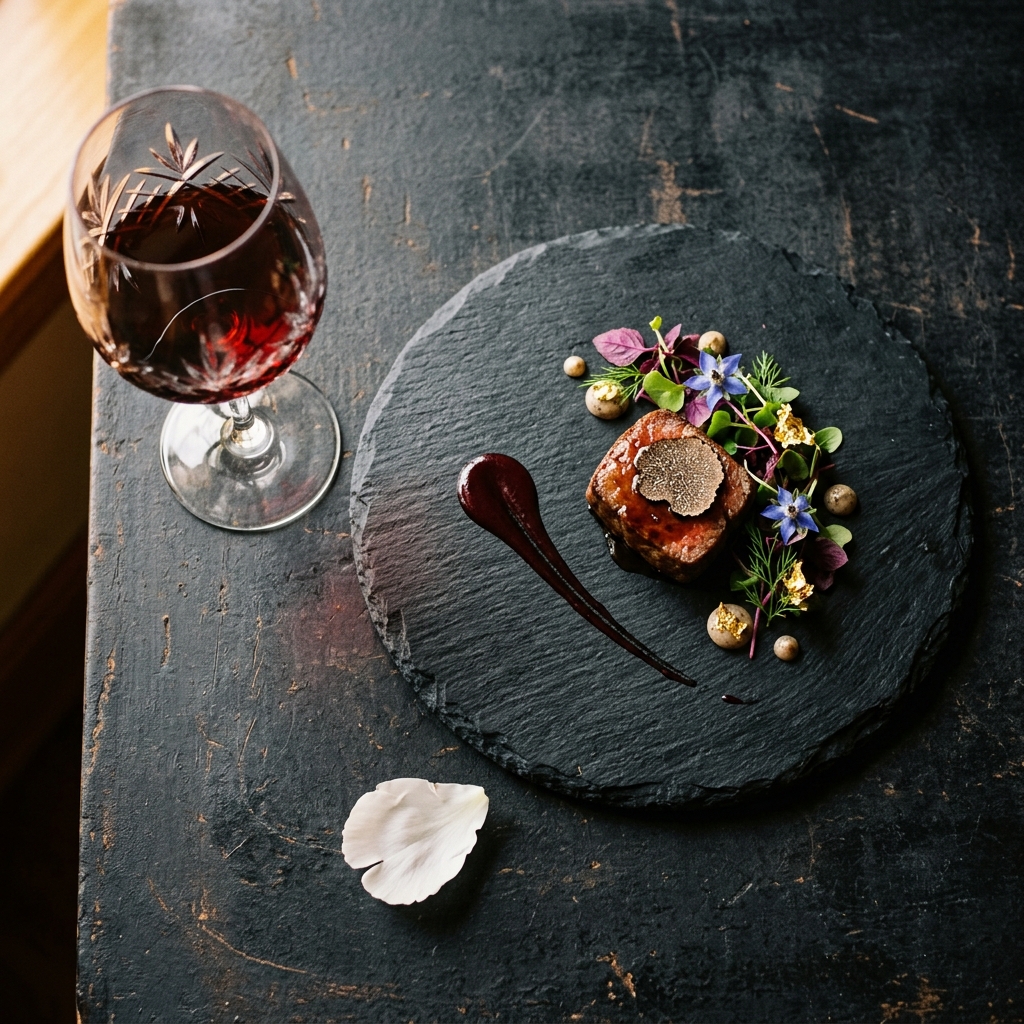
Your fine dining restaurant does not have a food problem. The kitchen is exceptional. The plating is award-worthy. The service is meticulous. You have built something genuinely extraordinary — and the guests who discover it become loyal advocates for life.
The problem is discovery. More precisely, it is the gap between how many people would love your restaurant and how many people know it exists. And within that gap is the deeper problem: most fine dining restaurants, when they do attempt Instagram Ads, fill that gap with the wrong guests — deal-seekers responding to discount offers — instead of the high-value diners who will order the premium wine pairing, return for their anniversary, and recommend you to fifty people in their network.
This is the strategy that solves both problems simultaneously. You are about to learn exactly how to use Instagram Ads to fill your tables with the right guests — consistently, predictably, and without a single rupee of discount dragging your brand positioning downward.
- 87% Food-related Instagram searches lead to a restaurant visit within 48 hours
- 74% Diners say social media presence shapes where they choose to eat
- 72% Indian diners use social media to research restaurants before visiting
These numbers are not aspirational. They are the current reality of how premium dining decisions are made in India's metros. Instagram is not a support channel for your marketing strategy. For fine dining restaurants in 2026, it is the primary decision-making platform. The question is not whether to use it — it is whether you are using it correctly.
PART 1: The Occasion-First Strategy — Stop Selling Food, Start Selling the Moment
The single most powerful strategic shift a fine dining restaurant can make in its Instagram Ads is this: stop advertising food, and start advertising moments.
Your guests are not coming to your restaurant because they are hungry. They are coming because they want to celebrate an anniversary in a setting that matches the significance of the occasion. Because they want to impress a client without the conversation having to do the heavy lifting. Because they want to propose in a room that will make the story worth telling for decades. Because they want a birthday dinner that communicates 'this person matters' without a single word.
The food is extraordinary — but it is the vessel, not the destination. When your Instagram Ads lead with the emotion of the occasion rather than the composition of the dish, something powerful happens: the guests who respond are already pre-sold on spending premium. They have self-selected as high-value diners before a single conversation has taken place.
The Six High-Value Occasions to Build Campaigns Around
| OCCASION | STRATEGY & TARGETING |
|---|---|
| Anniversary Dining | The single highest-converting occasion for fine dining. Couples celebrating milestones spend an average of 1.5x their typical dining budget. Target: couples in the 28-45 age bracket within 15 km, with anniversary and relationship milestone interest signals. |
| Birthday Celebrations | Birthday party tables average 5-6 covers, lifting per-event revenue significantly. Over 70% of diners are more loyal to restaurants that acknowledge personal milestones. Target: people with upcoming birthday indicators, and friends of those people who would book on their behalf. |
| Corporate Client Entertainment | A single PA or executive assistant who trusts your venue can generate 6-10 private dining bookings per year. Target: C-suite executives, senior managers, and executive assistants within a 10 km radius of business districts. Creative: private dining setup, professional ambiance, discretion and service quality. |
| Proposal & Romantic Milestones | Proposal dinners command the highest single-visit spend in fine dining. Target: men aged 26-38 in relationships, with engagement ring search behaviour and luxury gifting intent signals. Creative: intimate corner table, candles, the universal anxiety of getting it exactly right — resolved by your venue. |
| Private Celebrations & Groups | A table of eight for a family reunion or friends' milestone birthday is worth 4x the revenue of a couple's dinner. Target: social organisers, event planners, and people celebrating decade-year birthdays (30, 40, 50). Creative: private dining room setup, bespoke menu, curated group experience. |
| Festive Season Experiences | Diwali dinner. Christmas Eve. New Year's Eve. These occasions command premium pricing without any brand compromise — because the occasion itself justifies the investment. Target: entire HNI demographic within your city. Creative: property dressed for the occasion, the mood and atmosphere, the exclusivity of the experience. |
AGENCY INSIGHT
For a fine dining client in Lower Parel, Mumbai, we built a dedicated anniversary campaign targeting couples aged 28-45 within 12 km. The campaign creative showed a single elegant table set for two — candlelight, white flowers, a handwritten menu card — with the line: 'The evening they will remember for years. Reserve it now.' No price mentioned. No discount. No offer. The CPL was ₹620. Average table spend was ₹18,500 for two. ROAS: 29x. The lesson: when the creative communicates the right occasion to the right audience, the price becomes irrelevant to the decision.
PART 2: Audience Architecture — How to Find High-Value Diners on Instagram
The difference between a fine dining Instagram Ad campaign that fills tables with the right guests and one that generates low-quality enquiries from price-sensitive users comes down almost entirely to audience construction. Instagram's algorithm is extraordinarily powerful — but it responds to the signals you give it. Build the wrong audience and the algorithm finds the wrong people, at scale, very efficiently.
Layer 1 — Geographic Precision
A fine dining restaurant in Worli does not need enquiries from Thane. A rooftop bar in Indiranagar does not need enquiries from Whitefield. Set tight radius targeting around your restaurant — typically 5 to 10 km — and focus specifically on the pin codes within that radius that index highest for affluence and discretionary spend.
In Mumbai: Bandra, Juhu, Worli, Colaba, Powai, Lower Parel. In Delhi: Defence Colony, Golf Links, Greater Kailash, Khan Market zone. In Bangalore: Koramangala, Indiranagar, Sadashivanagar, UB City zone. In Hyderabad: Jubilee Hills, Banjara Hills, Gachibowli.
Layer 2 — Income and Lifestyle Signals
Since Meta removed detailed targeting exclusions in March 2025, you cannot directly block budget audiences. Instead, you layer signals that attract high-income users and repel cost-conscious ones through positive targeting:
- Luxury automobile brand affiliation (BMW, Mercedes, Audi, Porsche)
- Premium credit card and banking product usage
- International travel behaviour — business class, frequent flier programme engagement
- Luxury fashion and lifestyle brand engagement (Zara and above, premium watches, designer accessories)
- High-end real estate: property enquiry, premium residential area engagement
- Corporate and professional: C-suite titles, senior management, founder/entrepreneur profiles
Layer 3 — Occasion and Intent Overlays
Layer occasion-specific signals on top of the income layer to reach people who are actively planning a premium dining experience:
- Relationship milestones: anniversary interest, romantic occasion planning
- Event planning: birthday celebration intent, group dining organiser behaviour
- Corporate dining: business entertainment, client hosting, corporate event interest
- Fine dining interest: restaurant discovery behaviour, food critic and gastronomy content engagement
Layer 4 — Lookalike Audiences from Your Own Data
This is your most powerful targeting tool and the one most fine dining restaurants completely ignore. Your existing guest data — reservation records, email list, Instagram followers who have messaged you — is a goldmine. Build 1% lookalike audiences from these high-value guest pools and you will consistently find more people who look exactly like your best customers.
A fine dining restaurant with 500 confirmed reservation records can build a lookalike audience that outperforms every interest-based targeting approach by 2-3x on CPL. If your reservation system or CRM has this data and you are not using it in your Instagram Ads, you are leaving your best targeting asset completely unused.

PRO TIP
The creative does the filtering that the platform no longer does for you. When your Instagram Ad shows a ₹6,000 per cover tasting menu in a candlelit dining room with sommelier service — budget-conscious users scroll past without clicking. They have self-selected out of your audience pool. The users who click are pre-qualified by the creative itself. Premium visual language is the most effective audience filter available to a fine dining restaurant in 2026.
PART 3: Creative That Converts — Stopping the Scroll and Creating Desire
In fine dining Instagram Ads, the creative is not decoration. It is the primary conversion mechanism. A guest browsing their feed makes a split-second decision about whether your restaurant belongs in their life — and that decision is made in under 1.5 seconds, before they have read a single word of your copy.
This is why the visual language of your creative must communicate premium positioning instantly, not over time. Not through explanatory copy. Not through a price list or a menu excerpt. Through a single, perfectly composed image or the first frame of a video that says — without words — 'this is exceptional.'
Creative Format Performance for Fine Dining
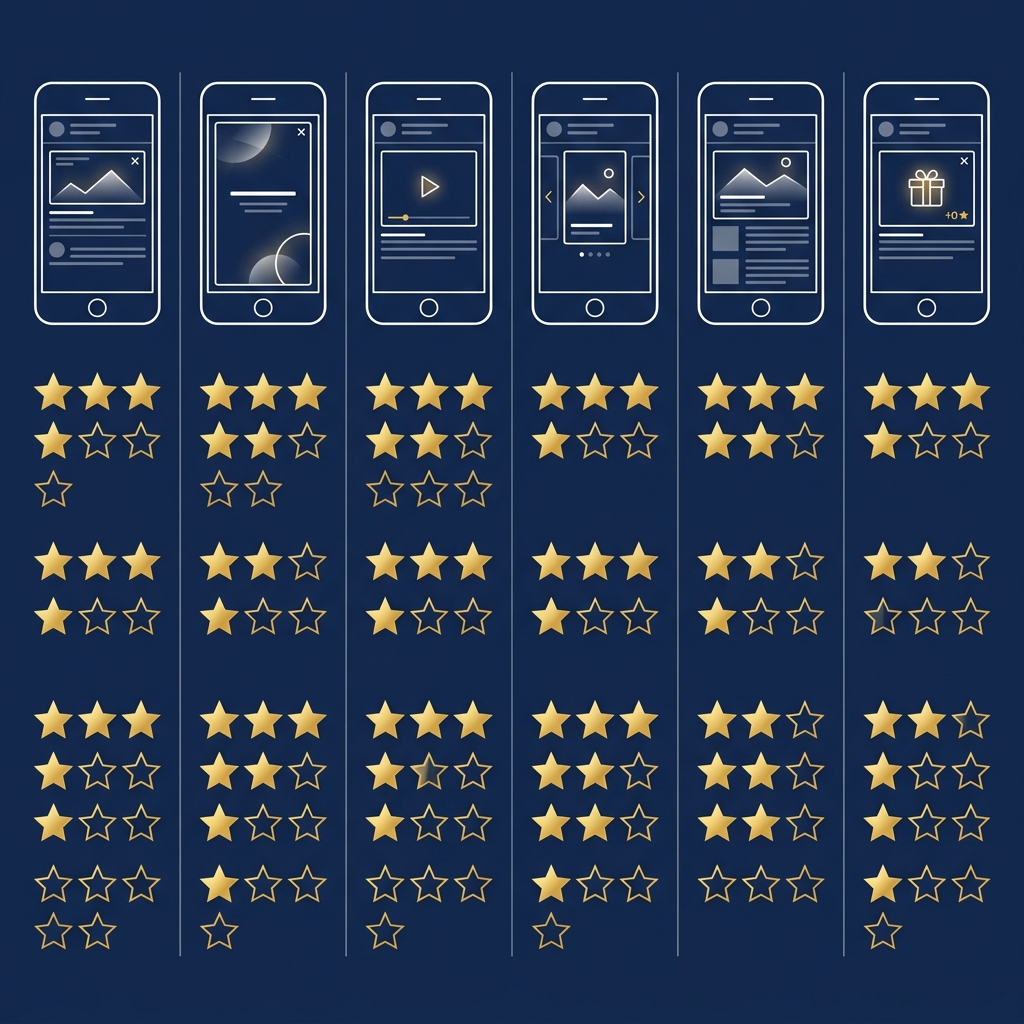
- Cinematic Dish Reels (15s): Highest awareness-stage performance. Slow-motion sauce pour, delicate plating in progress, steam rising from a perfectly seared protein. No voiceover. Premium music only. Reels ads deliver 18% lower CPM and 22% higher engagement than feed placements. Start every campaign here.
- Table Experience Videos (30–45s): Mid-funnel powerhouse. A couple arriving at an elegantly set table. Amuse-bouche being presented. Sommelier pouring. Dessert arriving with a personalised touch. These ads sell the complete experience, not a single dish. Essential for occasion-based campaigns.
- Mood-and-Atmosphere Statics: A single full-bleed image: your dining room at peak ambiance — warm light, full tables, dressed guests, a sense of controlled elegance. No dish in the frame. These images communicate 'this is where significant evenings happen' more powerfully than any food photograph.
- Social Proof Carousels: Slide 1: A striking restaurant image. Slide 2: A guest review — specific, authentic, and emotionally resonant ('The proposal was perfect — the team handled every detail'). Slide 3: A media mention or award. Slide 4: The next occasion CTA. This format dominates MOFU retargeting.
- Occasion-Specific Creative: Valentine's Day campaign: intimate table for two, red roses, champagne flutes. NYE campaign: the dining room transformed for the occasion, the countdown moment. This creative performs 40-60% above non-occasion creative because it speaks directly to the guest's current planning intent.
- Behind-the-Scenes Chef Content: The head chef at the pass, in full whites, perfecting a dish. This creative builds authority and trust — it communicates craft without any explicit claim. Performs particularly well with the 35-50 demographic who make high-consideration dining decisions.
Copy That Sells Without Discounting
The copy in your fine dining Instagram Ad has one job: to deepen the desire the creative has already created and move the guest one step closer to booking. It should be short, specific, and emotionally resonant.
What it should never do: mention a price. Apologise for being premium. Offer a discount. Use the word 'affordable.' Compete on value-for-money. A fine dining restaurant that says 'great food at great prices' in its ad copy has just told every high-value guest that it does not understand its own positioning.
COPY FRAMEWORK — 3 Hooks That Work for Fine Dining
HOOK 1 — Occasion Urgency: 'Only 6 tables remain for New Year's Eve. Reserve yours before Saturday.' (Scarcity + occasion + specific deadline)
HOOK 2 — Experience Promise: 'The anniversary dinner they remember for twenty years. Chef [Name]'s 7-course tasting menu, crafted for the occasion.' (Emotional outcome + specificity + authority)
HOOK 3 — Exclusivity Signal: 'By reservation only. Private dining available for groups of 8 to 20. Enquire now.' (Access + exclusivity + CTA without price)
PART 4: The No-Discount Offer Framework — Value That Protects Brand Equity
This is the part of the strategy where most fine dining restaurants make their most expensive mistake.
Under pressure to give their Instagram Ads a 'reason to click,' they reach for the easiest lever available: a discount. 15% off. Complimentary starter. Buy-two-get-one on cocktails. The results are immediate — click-through rates rise, enquiries increase, the campaign looks healthier on paper.
But look at who is clicking and enquiring. Deal-seekers. Price-conscious diners for whom the discount was the deciding factor. Guests who, without the discount, would not have considered your restaurant — and who, when they do visit, will spend the minimum, resist upsell, and return only when there is another offer. You have not filled your restaurant. You have temporarily populated it with exactly the wrong people, at a reduced margin, while simultaneously communicating to the rest of your market that your restaurant is the kind of place that runs discount promotions.
The alternative is a value-add offer framework that creates the perception of exclusive benefit without any reduction in price or brand positioning.
The Value-Add Offer Hierarchy for Fine Dining
- Priority Reservation Access: 'Reserve the chef's table — available exclusively to guests who enquire through this ad before Sunday.' This creates urgency and exclusivity without touching the price. The guest feels they are getting something others cannot — which is exactly the psychology that drives premium purchase decisions.
- Experience Upgrades: 'Complimentary welcome champagne for tables booked this week.' This adds perceived value — and it costs your restaurant ₹400-600 in champagne — while preserving the full cover charge. The guest feels celebrated without you discounting the meal.
- Curated Add-Ons: 'Book the 7-course tasting menu and we will pair each course with a sommelier's recommendation.' This is an upsell disguised as an exclusive benefit — the guest upgrades their spend willingly because the offer frames the premium option as the special one.
- Occasion Personalisation: 'Share your occasion with us when you reserve — our team will personalise the evening.' No cost. Extraordinary perceived value. A guest who receives a personalised menu card with their name and a handwritten note from the chef will talk about that restaurant for years.
- Private Dining Showcases: 'Hosting 8 or more guests? Enquire about our private dining room — exclusively yours for the evening.' This is not a discount — it is a different product at a higher total spend, positioned as an exclusive access offer.
- Seasonal & Experiential Events: 'Join us for our truffle tasting evening — 6 courses, 3 sommelier pairings, hosted by Chef [Name]. Limited to 24 guests.' An event is a premium offering, not a discounted version of your regular service. It commands higher spend per head than a standard reservation.
AGENCY INSIGHT
For a fine dining client in Bandra, we ran an A/B test over 6 weeks: Version A offered a 15% discount on the tasting menu. Version B offered 'complimentary sommelier consultation with every reservation booked this week.' Version A generated more clicks. Version B generated 40% higher average spend per cover and zero discount-seekers. The guest who takes a sommelier consultation upsells themselves into a premium wine pairing without being pushed. The guest who books for the 15% off orders the cheapest bottle on the menu. Same ad spend. Profoundly different P&L outcome.
PART 5: The Conversion System — From Instagram Ad to Confirmed Table
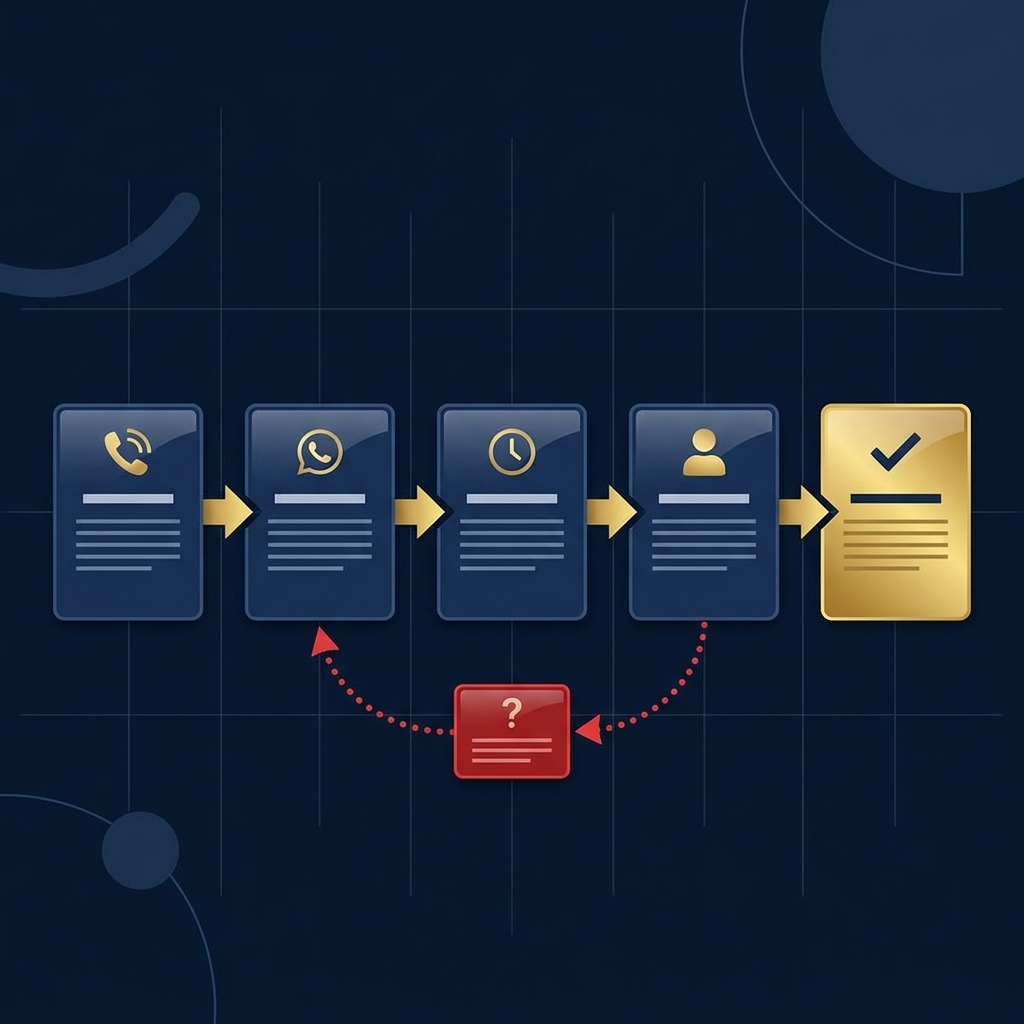
A high-performing fine dining Instagram Ad campaign is not just a great creative and a precise audience. It is a complete conversion system — a sequence of touchpoints that takes a user from first impression to confirmed reservation as efficiently as possible, without friction, and in the communication channel where Indian HNI guests actually make decisions: WhatsApp.
Step 1 — The Click
Every bottom-funnel fine dining ad should drive to one of two destinations: a Click-to-WhatsApp conversation or a native Meta Lead Form. Both outperform click-to-website by significant margins for this category.
Click-to-WhatsApp ads achieve 3 to 5 times higher conversion rates compared to traditional click-to-website campaigns in India. When a guest taps your Instagram Ad and a pre-populated WhatsApp chat opens instantly — already identifying the occasion they were targeted for — the friction of finding your number, opening WhatsApp, and starting a conversation has been completely eliminated. One tap and they are already in conversation with your team.
Step 2 — The First Response (Under 5 Minutes)
This is the step that most fine dining restaurants completely fail at — not because they do not care, but because their front-of-house team is busy running a restaurant service and checking an Instagram inbox is not part of their operational rhythm.
Leads that receive a response within 5 minutes are 9 times more likely to convert than leads that receive a response after 60 minutes. For a fine dining restaurant where a single table booking is worth ₹10,000 to ₹40,000 in revenue, the cost of a slow response is extraordinary.
The solution is a WhatsApp Business account with an automated initial response configured for your ad campaigns. The auto-reply does not try to close the booking — it acknowledges the enquiry, confirms the occasion, and sets a specific expectation: 'We have received your enquiry for your anniversary dinner. Our reservations team will contact you within 30 minutes to confirm availability and personalise your evening.'
Step 3 — The Human Follow-Up
The automated response buys time and prevents the lead from going cold. The human follow-up within 30 minutes closes the booking. For a fine dining restaurant, this conversation should not feel like a call centre interaction. It should feel like speaking with a maître d' — warm, attentive, knowledgeable, and genuinely invested in making the occasion exceptional.
Train your reservations team on three things: always confirm the occasion (so they can personalise the experience), always communicate the 'what makes us extraordinary' elements of the booking (the chef's current menu, the private dining availability, the wine list), and always close with a specific date and time confirmation rather than leaving the booking open-ended.
Step 4 — The Retargeting Net
Not every enquiry converts on the first conversation. A guest who clicked your anniversary campaign, opened a WhatsApp chat, and then went silent is not lost — they are warm. They are considering. They may have discussed it with their partner. They may be waiting for a convenient time to confirm.
Your retargeting campaign catches them. Show them a different creative — social proof this time, or a specific offer framed as 'only a few tables remain for that date.' Bring them back into the conversation with urgency and personalisation. This sequence — cold ad, WhatsApp enquiry, retargeting creative, second WhatsApp touch — consistently converts 35-50% of initial enquiries into confirmed bookings when executed correctly.
- 3–5x Higher conversion rate: Click-to-WhatsApp vs click-to-website
- 9x Higher conversion when first response is within 5 minutes
- 40–60% Lead forms outperform website landing pages for restaurant enquiries
PRO TIP — The Confirmation Ritual
Every confirmed booking from a Meta Ad campaign should receive a personalised WhatsApp confirmation message — not an automated booking reference, but a message that references the occasion, the table, and a specific detail about what the team is preparing. 'Your corner table for two on Saturday evening is confirmed. Chef [Name] has noted your anniversary — we will make sure the evening reflects it.' This single message reduces no-show rate by approximately 40% and increases average spend per cover because the guest arrives already feeling valued.
PART 6: The Numbers — What a High-Performing Fine Dining Instagram Campaign Looks Like
Let us make this concrete with a realistic benchmark for a fine dining restaurant in a Tier 1 Indian city — Mumbai, Delhi, or Bangalore — with an average cover spend of ₹4,500 per person and an average table size of 2.5 covers.
Average revenue per table: ₹4,500 × 2.5 = ₹11,250. For a 'high occasion' table (anniversary, proposal, corporate group): ₹8,000–₹18,000+ per booking. Premium wine/beverage add-on: +30–40% of food spend.
| METRIC | BENCHMARK |
|---|---|
| Monthly Ad Budget | ₹1.5 lakhs (₹50K awareness / ₹40K consideration / ₹60K conversion-retargeting) |
| Target CPL | ₹500–₹900 (occasion-targeted, HNI audience, WhatsApp CTA) |
| Leads Generated | 167–300 qualified enquiries per month |
| Lead-to-Booking Rate | 30–45% (with proper WhatsApp follow-up system) |
| Confirmed Bookings | 50–135 tables per month from Meta Ads |
| Average Revenue per Table | ₹11,250 (food only, excluding beverage) |
| Total Monthly Revenue Attributed | ₹5.6L to ₹15.2L per month from Meta Ads alone |
| ROAS | 3.7x to 10.1x — depending on follow-up quality and occasion mix |
| Best-Case Scenario | Occasion-heavy month (NYE, Valentine's, Diwali): 10x+ ROAS achievable |
AGENCY INSIGHT
The variable that determines whether a fine dining Instagram Ads campaign sits at the 3.7x ROAS floor or the 10x ceiling is almost never the ad itself. It is the speed and quality of the follow-up. We have seen identical campaigns at two fine dining restaurants — same budget, same creative, same targeting — where Restaurant A responded to WhatsApp enquiries within 4 minutes and closed 45% of leads, and Restaurant B responded within 4 hours and closed 12%. The ROAS difference was 4.7x. Meta Ads deliver the enquiry. Your team closes the table. Both halves of the system must work.
Frequently Asked Questions: Instagram Ads for Fine Dining Restaurants
How much should a fine dining restaurant spend on Instagram Ads per month?
A minimum effective budget for a premium fine dining restaurant in a Tier 1 Indian city is ₹1 to 1.5 lakhs per month. Below this level, the algorithm does not accumulate sufficient conversion data to optimise effectively, and audience pools — particularly retargeting — remain too small to deliver consistent results. Restaurants with multiple revenue streams (private dining, events, bar, tasting menus) should consider ₹2-3 lakhs for full-funnel coverage across all product types.
Should a fine dining restaurant use Instagram Reels or static photo ads?
Both, at different funnel stages. Reels are the superior awareness format — they deliver 18% lower CPM and 22% higher engagement than feed placements, and they are the format through which most fine dining restaurants will be discovered by new HNI guests. Static images and carousels outperform Reels in consideration and conversion campaigns, where the user needs to examine specific details (room ambiance, dish quality, occasion setup) rather than experience the restaurant's mood.
How do we track which restaurant bookings actually came from Instagram Ads?
Three tools working together: Meta Pixel installed on your website and booking system, Conversions API (CAPI) for server-side tracking, and a simple question in every WhatsApp enquiry: 'How did you hear about us?' For Click-to-WhatsApp campaigns, every conversation that originated from an ad is automatically tagged in WhatsApp Business Manager — making attribution straightforward. Train your reservations team to log the source of every booking in your reservation system.
Our restaurant has tried Instagram Ads before and got poor-quality enquiries. Why?
Almost always, one of three causes: wrong campaign objective (Reach or Engagement instead of Lead Generation or Messages), wrong creative (discount-led offer attracting deal-seekers), or wrong audience (broad targeting instead of geo-restricted, income-layered HNI audience). A campaign running the correct objective, with premium-positioned creative and a tightly constructed audience, will generate qualitatively different enquiries. If past campaigns have failed, the issue was execution — not the platform.
Is Instagram better than Google Ads for fine dining restaurants?
They serve different roles. Google Ads capture demand that already exists — someone searching 'fine dining restaurant Mumbai anniversary' is ready to book and Google Ads intercepts that intent. Instagram Ads create demand — they reach people who were not actively searching for a fine dining experience but who, after seeing your ad, begin planning one. Premium restaurants need both: Google for capturing active intent, Instagram for creating it. If budget forces a choice, Instagram generates higher volume at lower CPL for premium restaurants in India's metros where audience targeting depth is strongest.
The Bottom Line: Premium Tables Require Premium Strategy
Filling high-value restaurant tables with the right guests is not a creative problem. It is a systems problem. The creative must communicate premium positioning. The audience must be constructed to reach guests who are ready to spend at your level. The offer must add value without compromising the brand. The conversion system — from first ad impression to confirmed reservation — must be fast, warm, and frictionless.
When all four elements work together, Instagram Ads stop being a marketing expense and become the most reliable revenue engine available to a fine dining restaurant. Every campaign that runs builds your retargeting pool. Every booking adds to your first-party data for lookalike audiences. Every satisfied guest becomes a future booking and a referral source.
Three things to start today: First, identify the one occasion your restaurant is best positioned for in the next 30 days — and build a campaign around that occasion, not around a dish. Second, set up WhatsApp Business and configure a 2-minute auto-reply for incoming reservation enquiries. Third, pull your reservation records from the last 12 months and build a lookalike audience from your highest-spend guests. These three steps alone will transform the quality and volume of your next campaign. And make sure to avoid the 7 Meta Ads Mistakes that most restaurants make.
Ready to Fill Your Tables with the Right Guests?
ThePieCraftMarketing runs Instagram Ads exclusively for premium fine dining restaurants and luxury hotels. Book a free 30-minute strategy call — we will audit your current campaigns, identify why you are attracting the wrong guests, and show you exactly what a high-performance fine dining Instagram Ads campaign looks like for your specific restaurant.
ready to apply these exact strategies?
we help luxury hotels & fine dining venues drive predictable direct revenue.